
Trucking & Logistics
Review fuel events alongside routes, stops and vehicle activity across long-haul and commercial fleets.
FuelGuard combines non-invasive ultrasonic fuel sensing, compatible Synovaq tracking hardware and centralized monitoring to give operators visibility into fuel levels, refueling activity, low-fuel conditions and abnormal fuel drops.
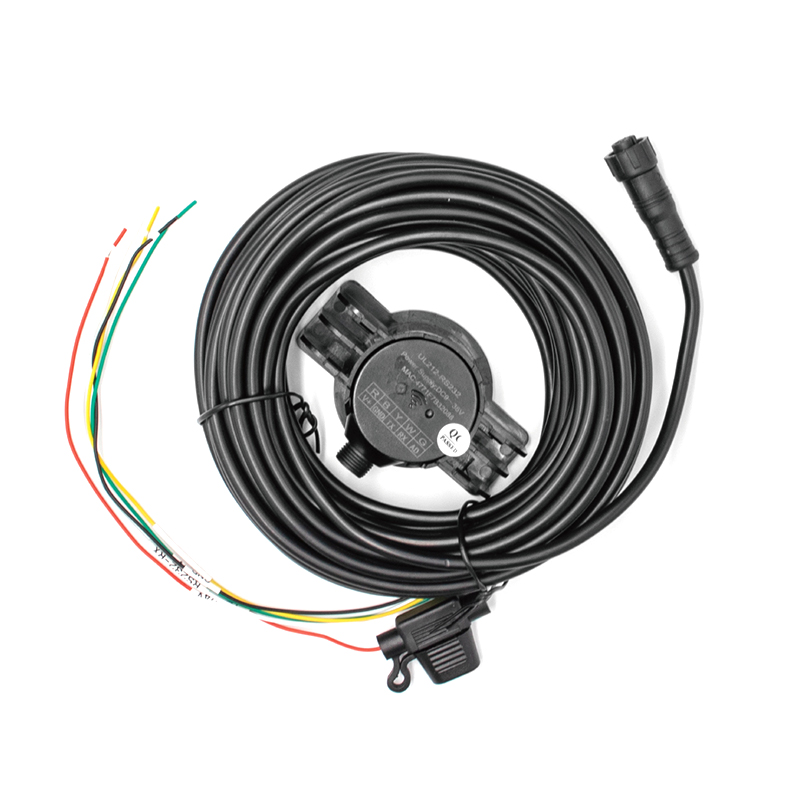
For trucking, construction, mining, generators and equipment-heavy operations, unexplained fuel loss can quietly erode margins. FuelGuard adds a measurable layer of fuel accountability to the assets already keeping your business moving.
Monitor connected fuel-level data instead of relying only on driver reports, receipts or manual tank checks.
Identify sudden or unusual decreases in measured fuel level so management can investigate possible siphoning, leakage or unexplained loss.
See significant increases in measured fuel level and build a clearer record around refueling activity.
Use configurable thresholds to help teams act before a vehicle, machine or generator reaches a critical fuel level.
The ultrasonic sensor uses non-contact measurement and can be mounted externally, avoiding a probe inside the tank.
Connect fuel data through compatible tracking hardware so fuel events can be reviewed alongside vehicle location and activity.
FuelGuard is especially valuable where vehicles and machines travel long distances, operate across multiple shifts or carry enough diesel that a single unexplained loss can become expensive.
The sensor measures fuel level externally. Compatible tracking hardware receives the sensor output and sends the data over the cellular network. The platform uses tank configuration and calibration to turn those readings into useful operational information.
Externally mounted, non-contact measurement at the tank.
Compatible hardware receives sensor data through supported interfaces.
Fuel and vehicle telemetry is transmitted to the platform.
Operators review fuel levels, refueling and configured alerts.
In compatible vehicle deployments, the ultrasonic sensor connects to the tracker and the tracker carries the fuel data along with its other telemetry. That reduces complexity and keeps fleet and fuel information tied together.
The same monitoring concept can support moving fleets, heavy equipment and stationary fuel-dependent infrastructure.
Review fuel events alongside routes, stops and vehicle activity across long-haul and commercial fleets.

Monitor diesel-heavy excavators, loaders, trucks and other equipment operating at remote job sites.
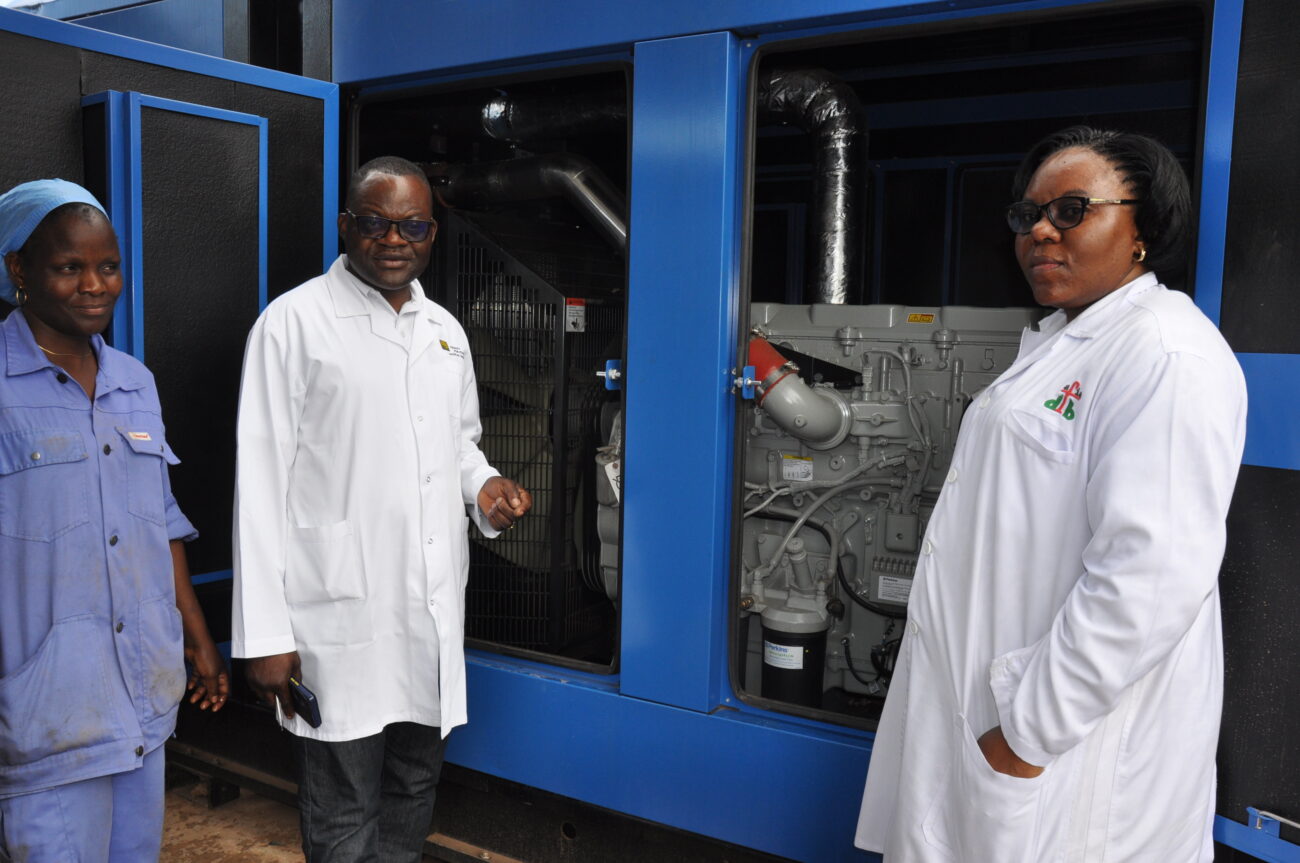
Monitor stationary generator fuel levels, refueling and abnormal drops without treating the generator like a moving vehicle.
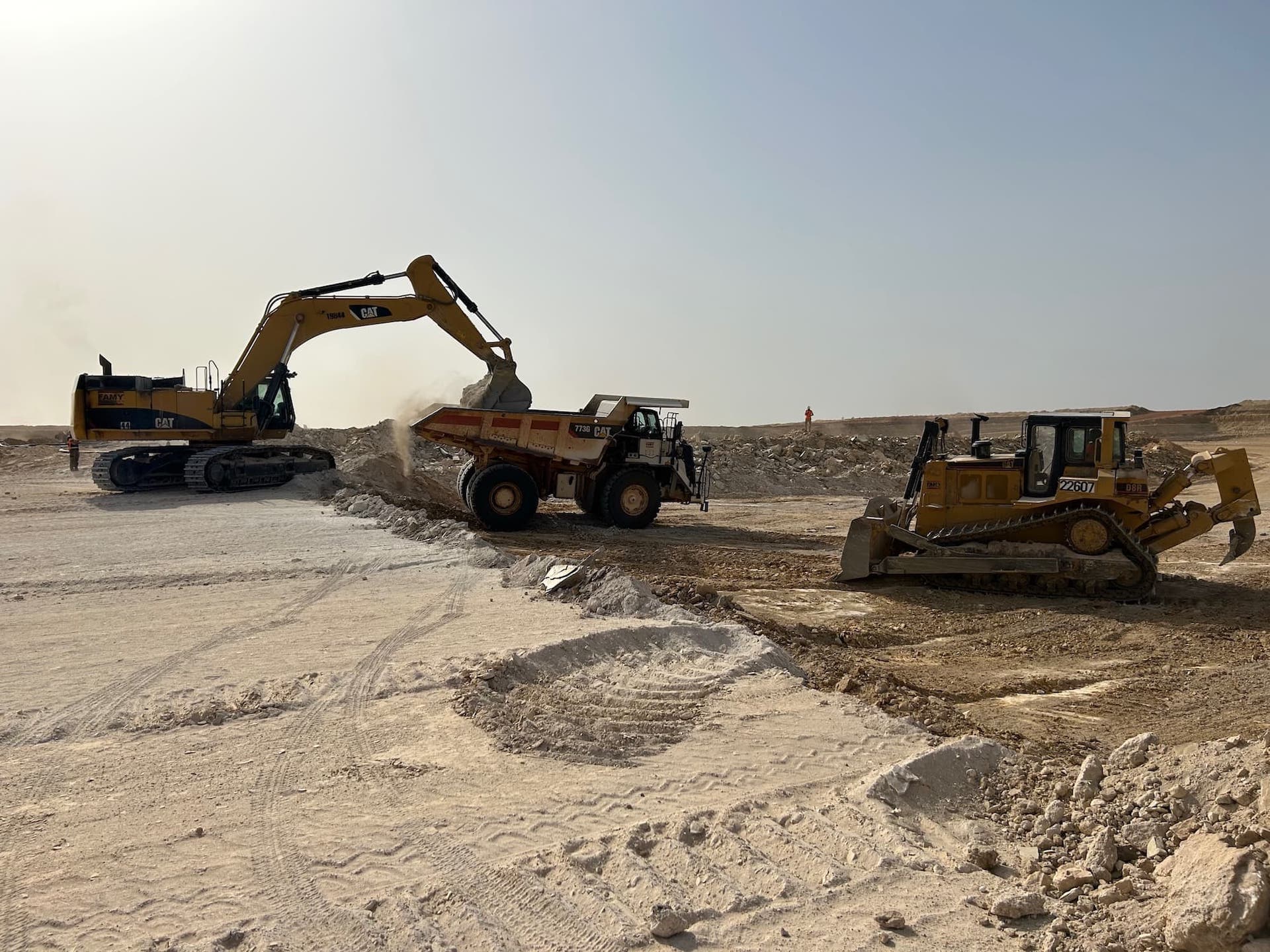
Bring centralized fuel visibility to remote operations where physical tank checks are difficult or inconsistent.
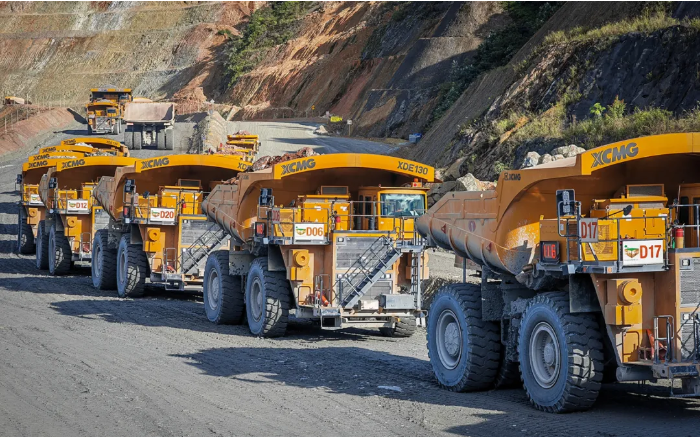
Extend fuel accountability to large machines and high-capacity diesel assets.
Use compatible tracker configurations to support two fuel sensors where the vehicle operates with dual tanks.
FuelGuard gives businesses greater visibility and control over fuel across vehicles, equipment and stationary assets—helping teams see what is happening, respond faster and improve accountability.
FuelGuard uses externally mounted ultrasonic sensing technology to measure fuel levels without placing a probe inside the tank. The sensor connects through compatible Synovaq tracking hardware so fuel information can become part of the same connected operational view.
Talk to Synovaq about trucks, equipment, generators or other fuel-dependent assets you want to monitor.